Jan 1, 2026
Website ownership affects hosting, access, and long-term control. Here’s what every business owner should know before working with a web agency.
Diana Caro
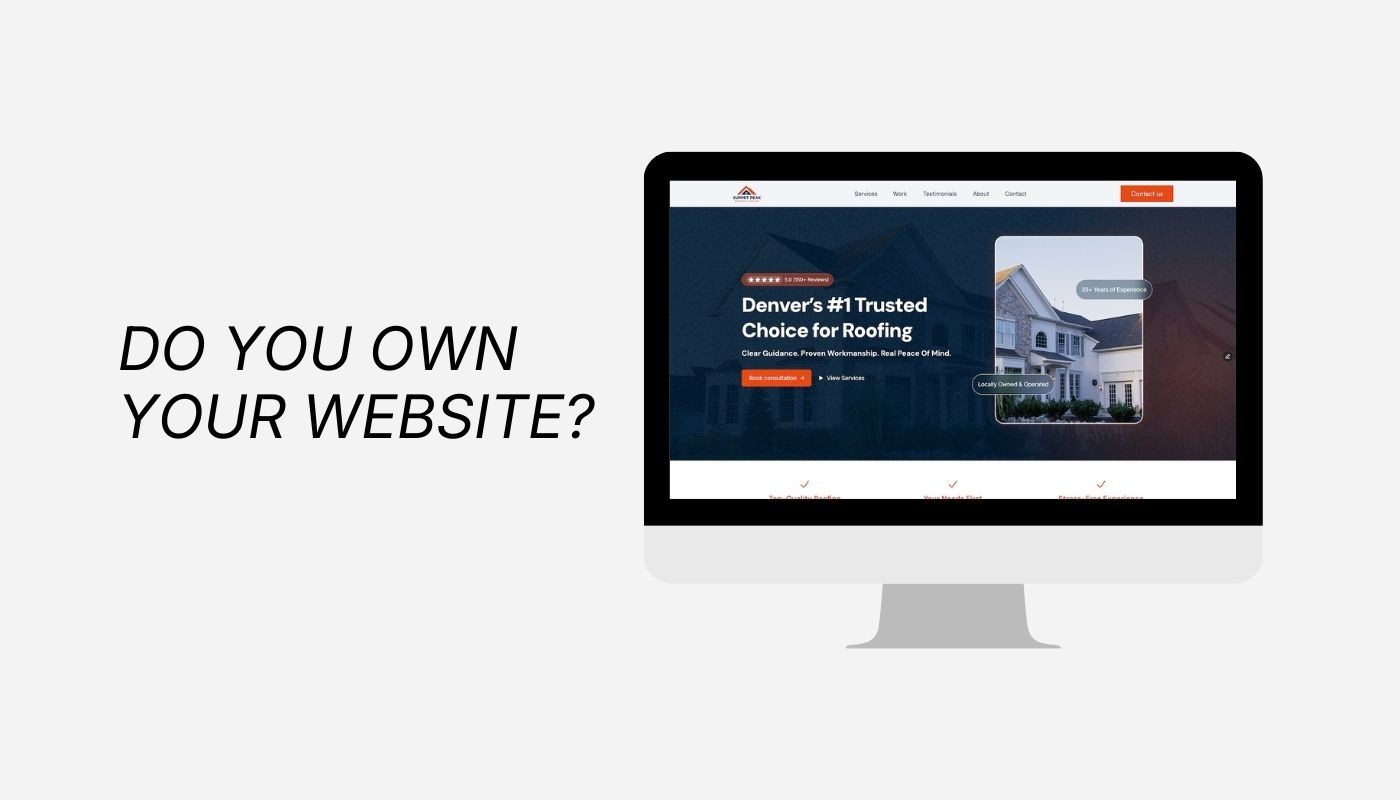
Do you actually own your website?
It sounds simple, but it’s one of the most misunderstood parts of working with an agency or web provider. And it usually only becomes a problem when a business tries to make a change, switch providers, or grow.
By then, it’s often too late.
What “Owning Your Website” Really Means
Website ownership isn’t just about having your logo on the homepage.
True ownership means you control:
Your domain name
Your website files
Your hosting
Your content
Your ability to move or rebuild your site elsewhere
If any of those are locked behind an agency account, proprietary platform, or contract, you don’t fully own your site. You’re renting it.
Where Businesses Get Stuck
This happens more often than people realize, especially with larger agencies or bundled service packages.
Common scenarios include:
The agency owns or controls the hosting
The site is built on a proprietary system you can’t export
You don’t have admin access to your CMS
Files aren’t transferable without additional fees
Your domain was registered under the agency’s name
Everything feels fine until you try to leave.
That’s when ownership suddenly matters.
Why Website Ownership Is a Big Trust Builder
Agencies that prioritize trust don’t fear giving clients control.
When you own your website:
You’re not trapped by long-term contracts
You can change providers without starting over
Your website becomes a business asset, not leverage
You feel confident investing more into it
Ownership creates transparency. Transparency creates trust.
If an agency avoids this conversation or gets vague about access, that’s usually a red flag.
Hosting and Access Matter More Than People Think
Hosting isn’t just a technical detail. It determines:
Who controls updates
Who controls backups
Who controls site performance
Who controls security
You should know:
Where your site is hosted
Who has admin access
How backups are handled
What happens if you cancel services
If you can’t get clear answers, that’s a problem.
The Cost of Not Owning Your Website
The biggest cost isn’t financial. It’s limitation.
Businesses that don’t own their site often:
Avoid switching providers even when unhappy
Lose years of content and SEO when rebuilding
Have to start from scratch unnecessarily
That’s not just frustrating. It’s expensive in lost momentum.
What to Check Before You Sign Anything
Before working with an agency or web provider, ask these questions:
Who owns the domain name?
Will I have full admin access?
Can I move my website if I choose to?
Is the site built on an open, transferable platform?
What happens to my site if we stop working together?
Clear answers now prevent hard conversations later.
Final Thoughts
Your website is one of your most important business tools. It should belong to you, not be held hostage by convenience or contracts.
Ownership doesn’t mean you have to manage everything yourself. It means you have the freedom to choose.
And that freedom is one of the strongest trust signals an agency can offer.