Oct 28, 2025
Doing it yourself or hiring a pro? Learn the pros and cons of DIY vs professional website design for service-based businesses and make the right choice.
By Diana Caro
What Service-Based Businesses Really Need to Know
If you run a service-based business, your website isn’t just a digital business card. It’s your receptionist, your sales rep, your credibility check, and often the first place potential customers decide whether to trust you.
When it comes time to build or redesign your site, most business owners face the same fork in the road:
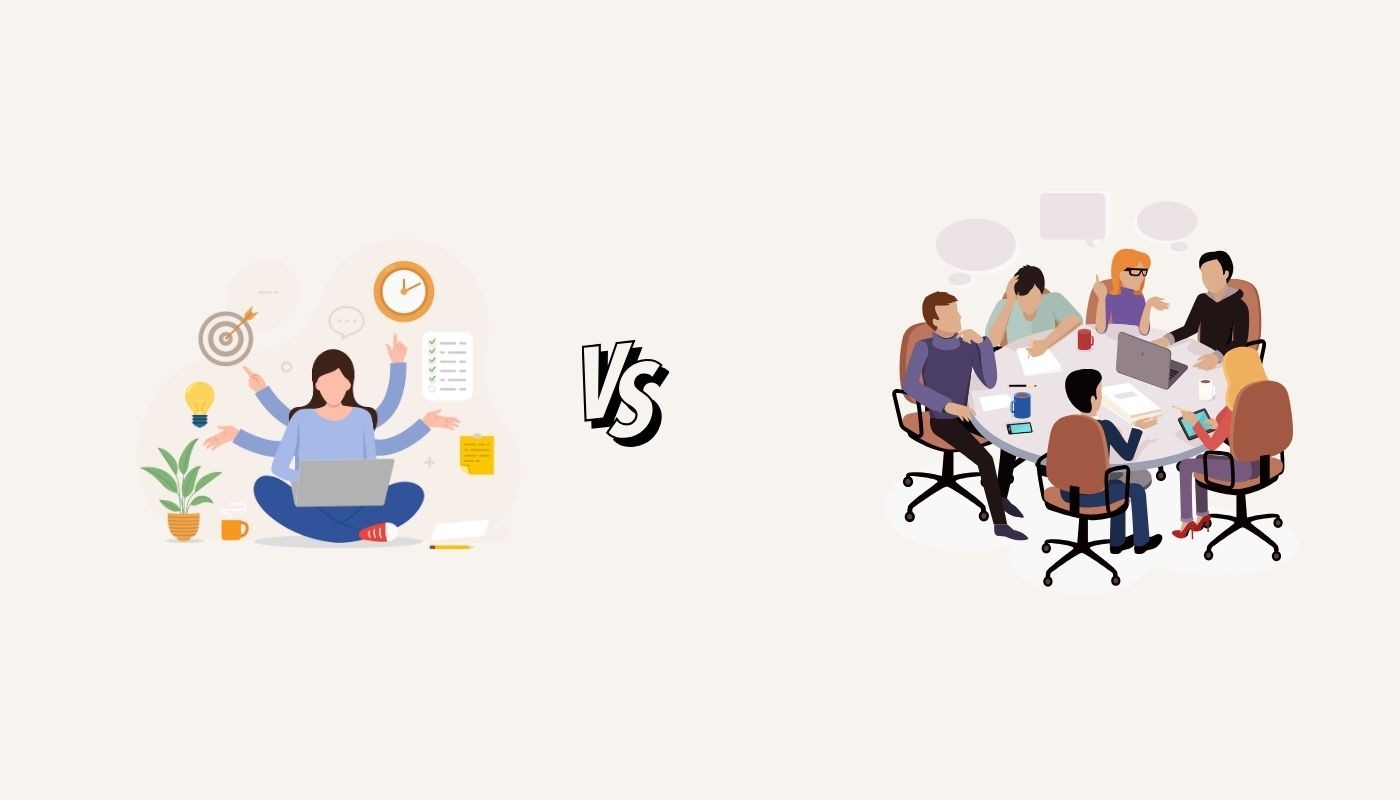
Do it yourself, or hire a professional?
Both options can work. The real question is which one works best for your business, your goals, and your stage of growth.
Let’s break it down.
The DIY Website Route
What It Looks Like
DIY website builders like Wix, Squarespace, and WordPress templates promise speed, affordability, and control. You pick a template, drag and drop some sections, write your content, and launch.
For some businesses, that’s enough.
Pros of DIY Website Design
Lower upfront cost
DIY platforms are budget-friendly. Monthly fees are predictable, and you avoid large initial investments.
Full control
You can update text, images, and pages anytime without waiting on someone else.
Fast setup
If you need a basic online presence quickly, DIY tools can get you live in days instead of weeks.
Cons of DIY Website Design
Design limitations
Templates are built to work for everyone, which means they rarely work perfectly for anyone. Your site may look fine, but not distinctive.
Strategy gaps
DIY platforms don’t guide you on conversion strategy, user flow, or how to turn visitors into leads. A site can look good and still quietly fail.
Time drain
What starts as “I’ll just do this myself” often turns into hours of troubleshooting, tweaking layouts, and Googling problems that pull you away from running your business.
SEO and performance issues
DIY sites are often slow, poorly structured, or missing key SEO elements, which can hurt your visibility in search results.
Hiring a Professional Website Designer
What You’re Really Paying For
Hiring a professional isn’t just about aesthetics. You’re investing in strategy, experience, and results.
A good website designer understands how service-based businesses attract, educate, and convert customers online.
Pros of Hiring a Professional
Strategic design
Professionals design with purpose. Every page, headline, and call-to-action is built to guide visitors toward booking a call, requesting a quote, or contacting you.
Custom branding
Your website becomes an extension of your brand, not a recycled template that looks like everyone else in your industry.
Better user experience
Navigation, mobile responsiveness, page speed, and accessibility are handled intentionally, not accidentally.
SEO-friendly structure
A professional builds your site so search engines can actually understand and rank it, giving you a stronger foundation for long-term growth.
Time savings
You stay focused on serving clients while someone else handles the technical and creative heavy lifting.
Cons of Hiring a Professional
Higher upfront cost
Professional design is an investment. While it often pays off, it’s not always feasible for brand-new businesses.
Less hands-on control
You may rely on your designer for updates unless your site is built with easy editing in mind.
Which Option Is Right for Your Service Business?
Here’s a simple way to think about it.
DIY Might Be Right If:
You’re just starting out and need a basic online presence
Budget is extremely tight
You only need a simple site with minimal functionality
You’re comfortable learning and managing the platform yourself
Hiring a Professional Is Likely Better If:
Your website is a primary lead source
You want to stand out in a competitive service market
You need clear messaging that builds trust and authority
You’re ready to grow and scale
Your time is better spent running your business, not debugging your website
The Hidden Cost Most Business Owners Miss
The biggest difference between DIY and professional design isn’t the price tag. It’s opportunity cost.
A website that looks decent but doesn’t convert visitors into inquiries can quietly cost you thousands in lost business every year. On the flip side, a well-designed site can work around the clock, turning traffic into leads while you sleep, drive to appointments, or focus on client work.
Final Thoughts
DIY websites are like assembling furniture from a flat-packed box. You can do it yourself, and it might hold together just fine. Hiring a professional is like having a custom piece built for your space, your style, and how you actually live.
For service-based businesses, your website is often the first impression you make. Whether you choose DIY or professional design, the goal is the same: clarity, trust, and conversions.
If your website is expected to help grow your business, not just exist online, professional design is often the smarter long-term move.