Dec 21, 2025
WordPress vs Framer from a website designer’s perspective. Learn why Framer is now my preferred platform for service-based businesses.
By Diana Caro
Why I Switched From WordPress to Framer for Service-Based Business Websites
For years, WordPress was my go-to platform for building service-based business websites. It was flexible, powerful, and widely accepted as the “right” choice for professional sites.
But over time, something became clear:
Power doesn’t always mean practical.
After building, maintaining, and troubleshooting countless WordPress sites for service businesses, I made a deliberate shift. Today, I build most service-based business websites in Framer.
This wasn’t about chasing shiny tools. It was about building better websites for my clients with fewer moving parts, fewer headaches, and better results.
Here’s why I made the switch.
WordPress Is Powerful, but Power Comes With Weight
WordPress can do almost anything. That’s also part of the problem.
For service-based businesses, a WordPress site often requires:
A theme
Multiple plugins
Ongoing updates
Security monitoring
Performance optimization
Hosting management
Each plugin adds another dependency. Each update adds another potential failure point. What starts as a simple marketing website slowly turns into a system that needs regular technical maintenance.
Most service business owners don’t want that. They want a website that works.
Framer Removes the Technical Middleman
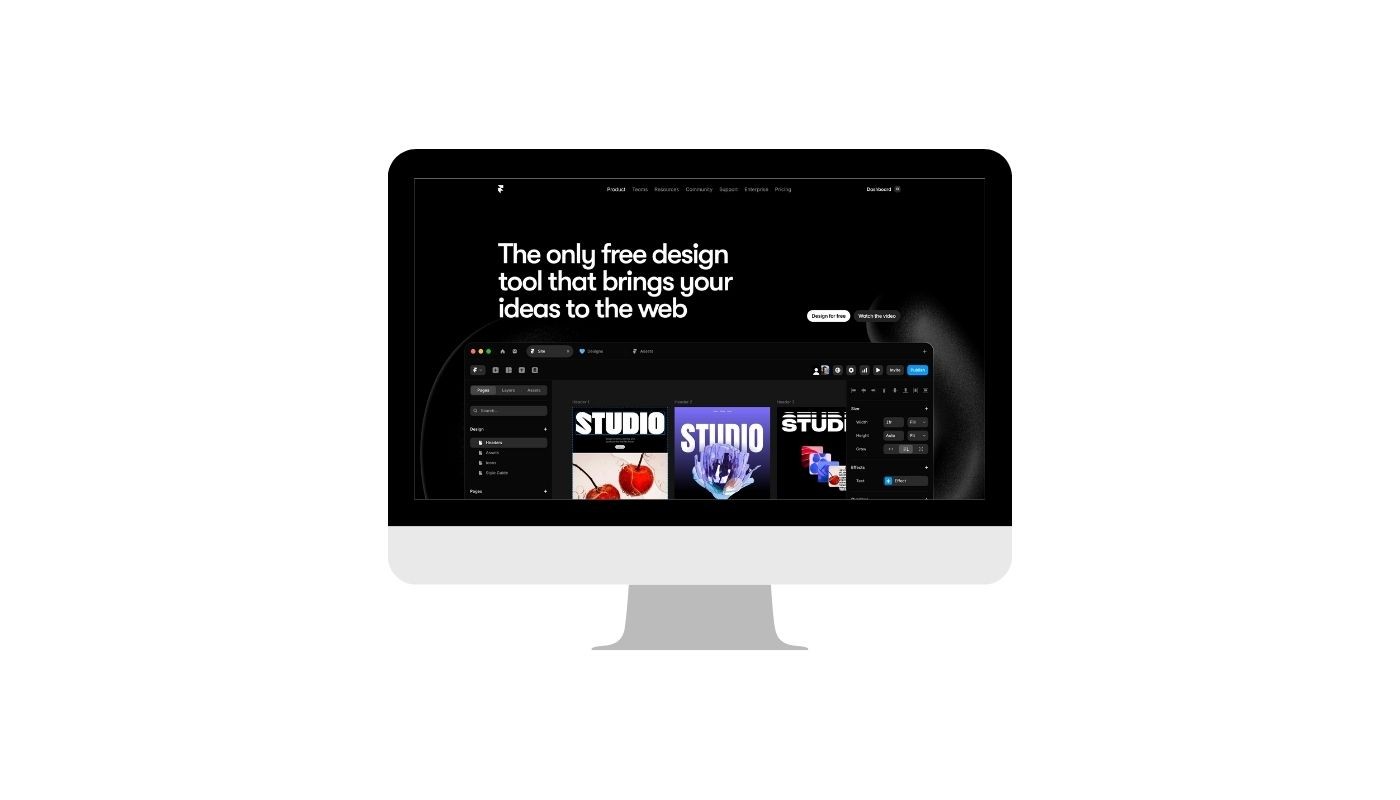
Framer is fundamentally different from WordPress. It’s a modern, visual website builder designed for performance, design precision, and simplicity.
With Framer:
There are no plugins
No manual updates
No hosting setup
No security patch juggling
Everything is built into the platform.
For my clients, that means fewer things that can break and fewer reasons to call me in a panic.
Speed and Performance Are Built In, Not Bolted On
Page speed is critical for service-based businesses. Slow sites lose trust, rankings, and leads.
With WordPress, performance is something you constantly fight. Caching plugins, image optimization tools, script management, and theme cleanups become ongoing tasks.
Framer ships with:
Lightning-fast hosting
Global CDN
Optimized assets by default
Clean, modern code output
The result is faster load times without extra tools or configurations. Performance isn’t an upgrade. It’s the baseline.
Design Freedom Without Fragility
WordPress themes promise flexibility, but real customization often means breaking layouts, overriding styles, or writing custom code.
Framer gives me pixel-level design control without sacrificing stability. What I design is what gets built. No theme constraints. No workarounds.
This matters for service-based businesses because:
Brand differentiation matters
Clear hierarchy improves conversions
Intentional design builds trust
The site looks custom because it actually is.
Cleaner, More Focused Websites Convert Better
Service-based business websites don’t need bloated features. They need clarity.
Framer encourages intentional design:
Clear page structure
Focused content
Strategic calls to action
Simple navigation
Without plugins competing for attention or features layered on top of features, the end result is a cleaner, more conversion-focused website.
Easier Hand-Off for Clients
One of my biggest frustrations with WordPress was client hand-off. Even “simple” edits could break layouts or formatting.
Framer’s editor is intuitive and controlled. Clients can:
Update text
Swap images
Edit sections safely
They don’t need to understand themes, plugins, or backend dashboards. They just edit the site.
That confidence matters.
SEO Without the Plugin Stack
WordPress SEO usually depends on plugins. Framer handles SEO essentials natively.
With Framer, I can easily control:
Meta titles and descriptions
Clean URLs
Heading structure
Image alt text
Performance factors that impact rankings
For service-based businesses focused on visibility and lead generation, this is more than enough to build a strong SEO foundation.
Why Framer Is a Better Fit for Service-Based Businesses
Service-based businesses need websites that:
Load fast
Look professional
Build trust
Convert visitors
Require minimal maintenance
Framer aligns with those needs better than WordPress.
It removes unnecessary complexity and replaces it with clarity, speed, and stability.
Final Thoughts
WordPress still has its place. It’s a powerful platform for content-heavy sites, complex functionality, and businesses with in-house technical support.
But for most service-based businesses, simpler is better.
Switching to Framer allowed me to build:
Faster websites
More intentional designs
Lower-maintenance solutions
Better client experiences
And ultimately, better results.
That’s why I switched.